


The year 2026 is fast approaching, and the organizational structures at Eli Lilly are still grappling with the fallout of the past year.
A vendor might instinctively know that Eli Lilly is struggling with patient retention or operational inefficiencies, but where exactly does that failure originate? Is it a fault in the technology, the training, or the departmental process? The challenge isn't identifying the pain; it's precisely locating the source of the customer's frustration, which is often tied to a specific operational silo.
To truly connect and offer a solution that resonates in the executive suites of Eli Lilly, you need context. That's where a dynamic, GenAI-driven actionable org chart of Eli Lilly becomes the necessary solution for B2B success in the pharmaceutical space.
Why do generalized pain points fail to connect with the pharmaceutical buyer Eli Lilly?
When it comes to Eli Lilly, its executives’ calendars are perpetually full, leaving no room for vague proposals. When a vendor approaches with a pitch to "improve patient satisfaction," the executive immediately wonders, "Whose job is that, exactly?" This happens because:
- Pain Points Are Departmental: A major pain point in pharma is rarely a single, enterprise-wide issue. For instance, the infamous "long wait times" are fundamentally a failure of the Patient Intake department's staffing or process management, not the entire hospital.
- Solutions Require Specific Ownership: If your solution targets reducing the cost of complex claims processing, the only person who truly cares about that is the Vice President of Revenue Cycle Management or the Head of Billing. A pitch to the CEO, while high-level, will be immediately delegated or even ignored.
Traditional sales intelligence gives you the what (the pain). Contextual maps of Eli Lilly give you the where (the silo) and the who (the decision-maker). This is the crucial leap from generic feature selling to targeted value delivery that will define vendor success in 2026.
How do Contextual Account Maps of Eli Lilly transform a general frustration into a targeted solution?
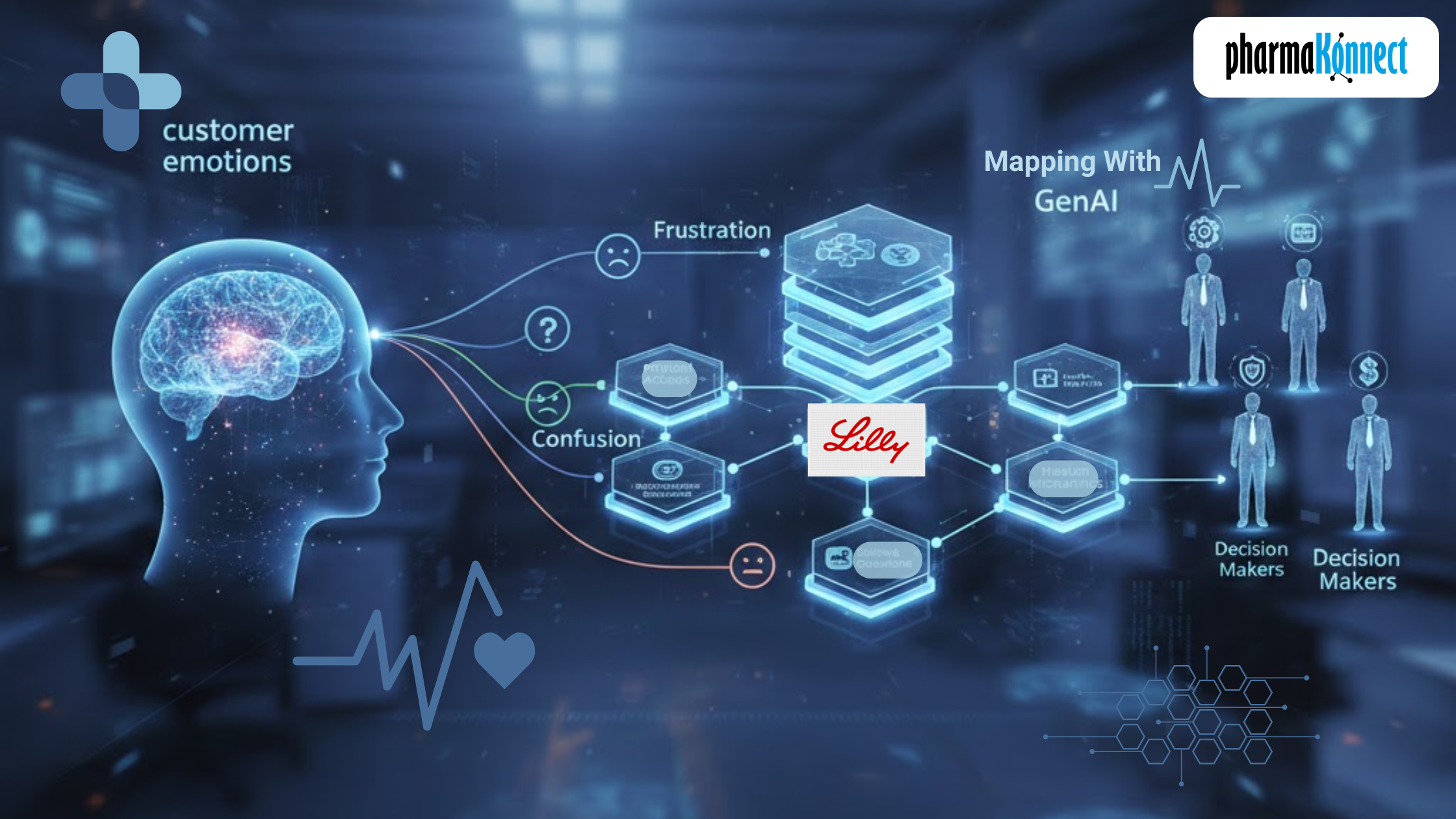
These function as a sophisticated overlay on the standard pharmaceutical leadership chart at Eli Lilly. They don't just show reporting lines; they align known industry frustrations with the specific business units responsible for them such as:
| Frustration (Customer Emotion) | Operational Silo (The "Where") | Decision Maker (The "Who") | Solution Focus |
|---|---|---|---|
| Unexpected High Bills | Billing & Claims Processing | VP of Revenue Cycle | Financial Clearance Automation |
| Inaccurate Patient Data | Electronic Health Record (EHR) Management | Director of Health Informatics | Data Integrity/Interoperability Platform |
| Long Wait Times/Delays | Patient Access/Intake | Chief Operating Officer (COO) | Workflow Optimization Software |
By viewing Eli Lilly through this lens, your sales team moves from a broad, speculative approach to a highly targeted, relevant conversation. You are no longer talking about “general pharma IT problems.” You are speaking directly to the Director of Health Informatics at Eli Lilly about the lost revenue tied to outdated EHR protocols.
What advantage does this targeted approach offer a vendor looking to close deals with Eli Lilly?
Understanding this intricate web of departmental responsibilities and their associated pains with GenAI-driven Eli Lilly org charts is the ultimate competitive edge for the new year. It allows vendors to:
- Directly Target the Budget Holder: Your pitch isn't generic; it's personalized to the individual whose performance review is tied to fixing that specific pain point. This drastically reduces the sales cycle by eliminating internal delegation.
- Ensure Immediate Relevance: The solution is framed not as an added cost, but as a necessary fix for an acknowledged departmental failure.
- Bypass Initial Skepticism: You demonstrate an immediate, deep understanding of their company's internal challenges, instantly establishing credibility far beyond a generic cold call. Platforms offering an Account map of Eli Lilly or a GenAI-driven Org Chart of Eli Lilly enable this level of precision.
This is the power of leveraging globalEli Lilly organizational structuresand context-driven insights. It provides actionable intelligence, enabling you to craft personalized messages and strategies for impactful interactions that resonate in 2026.
Let’s address a few FAQs emerge for vendors seeking to sharpen their focus within the pharma industry:
Q1. What is the practical difference between a generic org chart and a contextual account map of Eli Lilly?
A generic chart shows reporting lines. A contextual account map of Eli Lilly integrates the chart with external data like known industry frustrations, executive statements, and budget responsibilities tied to your solution.
Q2. What are the main benefits of organizational charts for selling into Eli Lilly?
The primary benefit is speed and accuracy. You bypass gatekeepers, identify the budget owner, and tailor messaging to departmental goals.
Q3. How does this insight help me understand buyer psychology at Eli Lilly?
It shifts focus from “what does the company need?” to “what does the VP of Patient Access at Eli Lilly need to keep their department running efficiently?”
Want to know who matters in your next pitch? Explore real-time org intelligence Eli Lillywith BizKonnect. CLICK HERE.